✨ New Arrivals Just Dropped!Explore
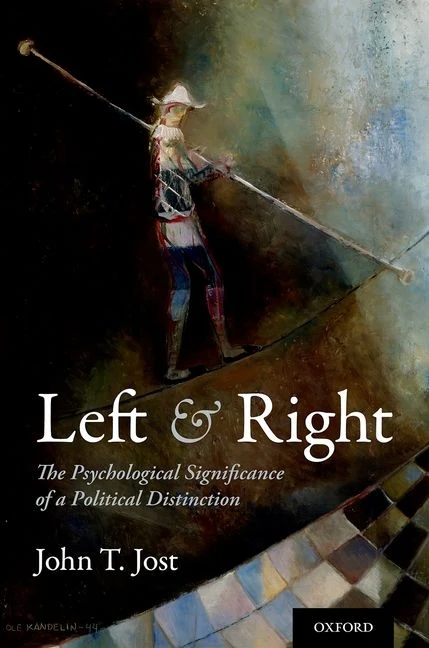
Left and Right: The Psychological Significance of a Political Distinction
This book brings together for the first time an updated, revised collection of influential essays and articles that capture some of the most exciting scientific and scholarly contributions to the topic of political ideology. John Jost tackles fundamental questions about how psychology, neuroscience, and societal factors impact political attitudes and group divisions. In what sense, if any, are ordinary citizens ideological? Is it useful to locate political attitudes on a single dimension of representation? Are there meaningful differences in the beliefs, opinions, and values of leftists and rights-or liberals and conservatives? How are personality traits related to ideological preferences? What situational or contextual factors contribute to liberal and conservative shifts in the general population? What are the implications of ideological polarization for the future of democracy? Drawing on Max Weber's concept of elective affinities, one of the world's leading political
psychologists discusses the myriad ways in people choose ideas and ideas choose people.
psychologists discusses the myriad ways in people choose ideas and ideas choose people.
$26.25
Original: $75.00
-65%Left and Right: The Psychological Significance of a Political Distinction—
$75.00
$26.25Product Information
Product Information
Shipping & Returns
Shipping & Returns
Description
This book brings together for the first time an updated, revised collection of influential essays and articles that capture some of the most exciting scientific and scholarly contributions to the topic of political ideology. John Jost tackles fundamental questions about how psychology, neuroscience, and societal factors impact political attitudes and group divisions. In what sense, if any, are ordinary citizens ideological? Is it useful to locate political attitudes on a single dimension of representation? Are there meaningful differences in the beliefs, opinions, and values of leftists and rights-or liberals and conservatives? How are personality traits related to ideological preferences? What situational or contextual factors contribute to liberal and conservative shifts in the general population? What are the implications of ideological polarization for the future of democracy? Drawing on Max Weber's concept of elective affinities, one of the world's leading political
psychologists discusses the myriad ways in people choose ideas and ideas choose people.
psychologists discusses the myriad ways in people choose ideas and ideas choose people.