✨ New Arrivals Just Dropped!Explore
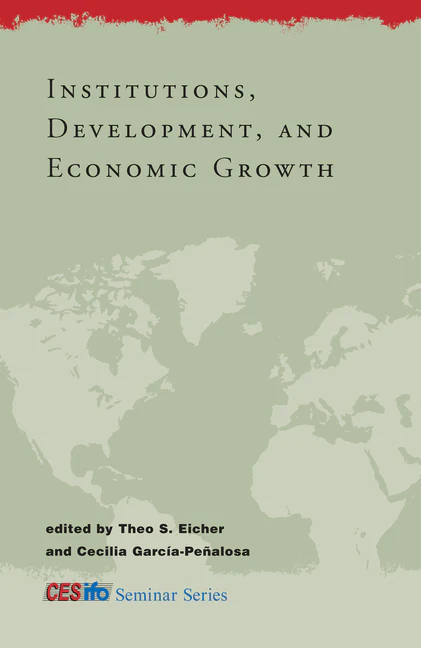
Inequality and Growth: Theory and Policy Implications
Even minute increases in a country's growth rate can result in dramatic changes in living standards over just one generation. The benefits of growth, however, may not be shared equally. Some may gain less than others, and a fraction of the population may actually be disadvantaged. Recent economic research has found both positive and negative relationships between growth and inequality across nations. The questions raised by these results include: What is the impact on inequality of policies designed to foster growth? Does inequality by itself facilitate or detract from economic growth, and does it amplify or diminish policy effectiveness? This book provides a forum for economists to examine the theoretical, empirical, and policy issues involved in the relationship between growth and inequality. The aim is to develop a framework for determining the role of public policy in enhancing both growth and equality. The diverse range of topics, examined in both developed and developing countries, includes natural resources, taxation, fertility, redistribution, technological change, transition, labor markets, and education. A theme common to all the essays is the importance of education in reducing inequality and increasing growth.
$10.50
Original: $30.00
-65%Inequality and Growth: Theory and Policy Implications—
$30.00
$10.50Product Information
Product Information
Shipping & Returns
Shipping & Returns
Description
Even minute increases in a country's growth rate can result in dramatic changes in living standards over just one generation. The benefits of growth, however, may not be shared equally. Some may gain less than others, and a fraction of the population may actually be disadvantaged. Recent economic research has found both positive and negative relationships between growth and inequality across nations. The questions raised by these results include: What is the impact on inequality of policies designed to foster growth? Does inequality by itself facilitate or detract from economic growth, and does it amplify or diminish policy effectiveness? This book provides a forum for economists to examine the theoretical, empirical, and policy issues involved in the relationship between growth and inequality. The aim is to develop a framework for determining the role of public policy in enhancing both growth and equality. The diverse range of topics, examined in both developed and developing countries, includes natural resources, taxation, fertility, redistribution, technological change, transition, labor markets, and education. A theme common to all the essays is the importance of education in reducing inequality and increasing growth.