✨ New Arrivals Just Dropped!Explore
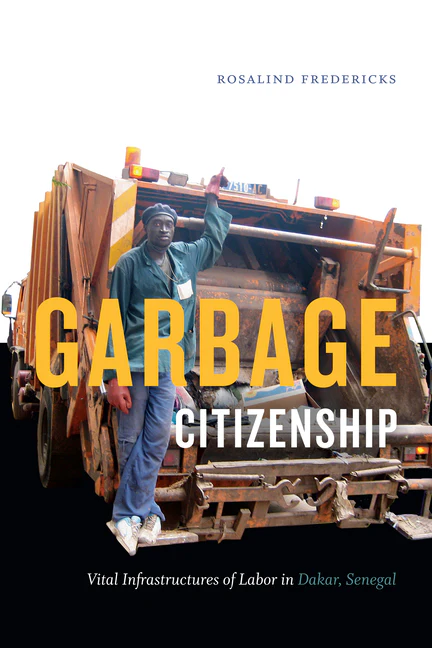
Garbage Citizenship: Vital Infrastructures of Labor in Dakar, Senegal
Over the last twenty-five years, garbage infrastructure in Dakar, Senegal, has taken center stage in the struggles over government, the value of labor, and the dignity of the working poor. Through strikes and public dumping, Dakar's streets have been periodically inundated with household garbage as the city's trash collectors and ordinary residents protest urban austerity. Often drawing on discourses of Islamic piety, garbage activists have provided a powerful language to critique a neoliberal mode of governing-through-disposability and assert rights to fair labor. In Garbage Citizenship Rosalind Fredericks traces Dakar's volatile trash politics to recalibrate how we understand urban infrastructure by emphasizing its material, social, and affective elements. She shows how labor is a key component of infrastructural systems and how Dakar's residents use infrastructures as a vital tool for forging collective identities and mobilizing political action. Fleshing out the materiality of trash and degraded labor, Fredericks illuminates the myriad ways waste can be a potent tool of urban control and rebellion.
$30.95
Garbage Citizenship: Vital Infrastructures of Labor in Dakar, Senegal—
$30.95
Product Information
Product Information
Shipping & Returns
Shipping & Returns
Description
Over the last twenty-five years, garbage infrastructure in Dakar, Senegal, has taken center stage in the struggles over government, the value of labor, and the dignity of the working poor. Through strikes and public dumping, Dakar's streets have been periodically inundated with household garbage as the city's trash collectors and ordinary residents protest urban austerity. Often drawing on discourses of Islamic piety, garbage activists have provided a powerful language to critique a neoliberal mode of governing-through-disposability and assert rights to fair labor. In Garbage Citizenship Rosalind Fredericks traces Dakar's volatile trash politics to recalibrate how we understand urban infrastructure by emphasizing its material, social, and affective elements. She shows how labor is a key component of infrastructural systems and how Dakar's residents use infrastructures as a vital tool for forging collective identities and mobilizing political action. Fleshing out the materiality of trash and degraded labor, Fredericks illuminates the myriad ways waste can be a potent tool of urban control and rebellion.